






Muscle D Glute Evolution: From Glute Blaster Roots to Today’s “Get In and Go” Glute Kick
If you’ve stepped into a commercial gym recently, you’ve likely seen a line forming around the glute kick machine. But building the ultimate machine to target the gluteus maximus without compromising the lower back didn't happen overnight.
We sat down with fitness industry legend Brian Lewallen—the pioneer who co-founded Muscle Dynamics back in 1977—to trace how over thirty years of biomechanical refinement changed gym floors forever.
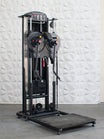
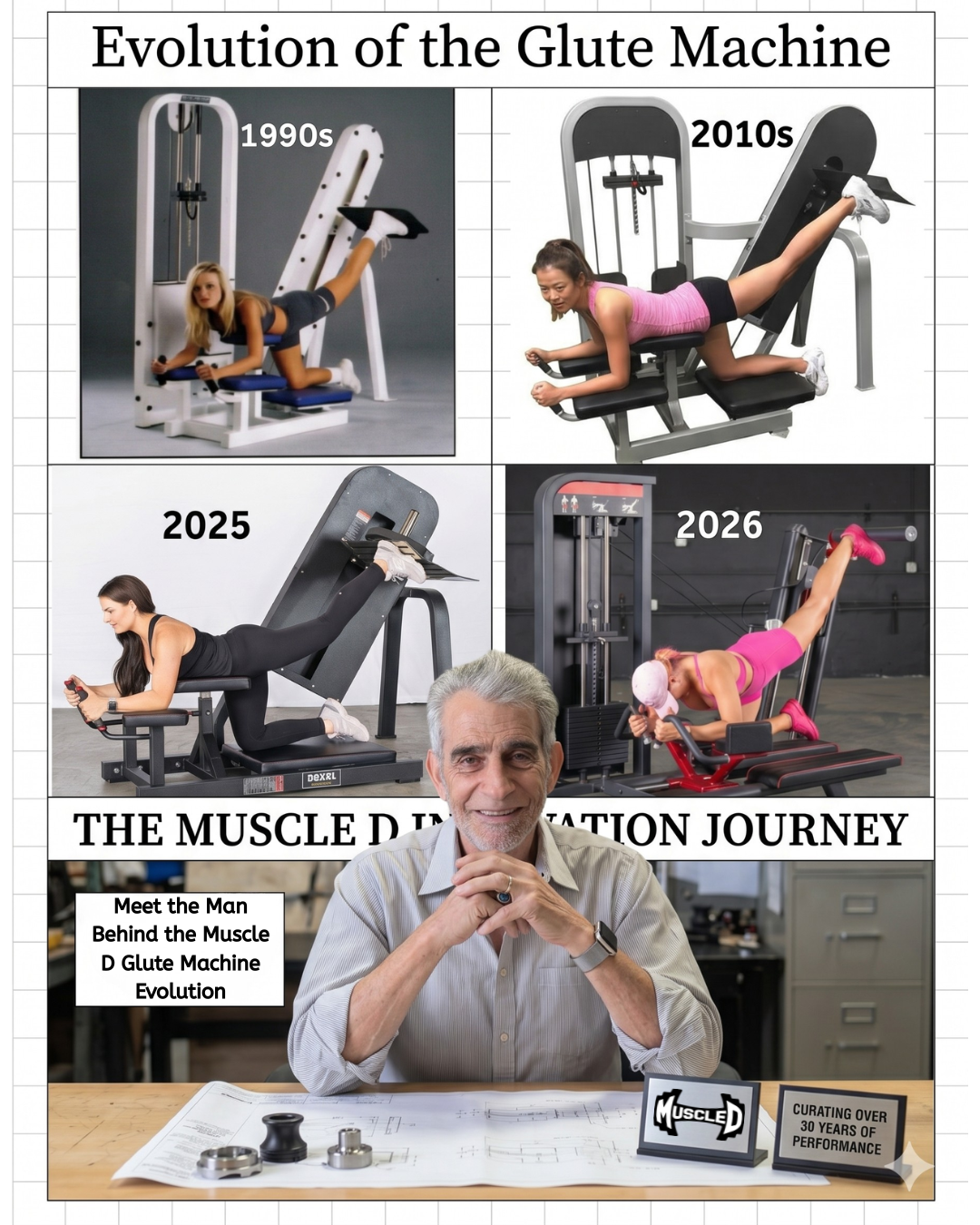
The 1990s: Enter the "Glute Blaster"

Back in the early 1990s, heavy lower-body training typically meant two things: squats and deadlifts. However, a major design gap existed. While free weights dominated strength facility floors, many women shunned heavy squats and deadlifts because they placed immense stress on the lower back and lacked a practical option for isolated glute development.
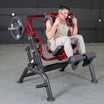
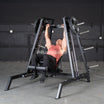
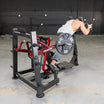
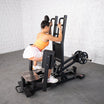
Brian and his team at Muscle Dynamics set out to engineer a machine that completely isolated the gluteus maximus while removing the spine from the load path. They pioneered a foundational kneeling posture that safely supported the lower back, resulting in the very first isolation tower from the early 1990s: the Glute Blaster.
"Nobody could understand what it was in the beginning... but once they saw it, it became a phenomenon." — Brian Lewallen
Funnily enough, while it was originally driven by women looking for a safer alternative, the machine quickly became a massive hit with men too, providing a secure way to isolate the lower body without structural spinal strain.
The 2010s: Smoothing Out the Nuances

As the years rolled on, Muscle Dynamics evolved into the Muscle D brand, bringing a wave of mo
dernization to the original blueprint. In the late 2010s, the design team focused heavily on user feedback to eliminate the minor quirks and nuances of the original design.
The major upgrades during this era included:
- Tower Angle Reduction: The original tower configuration felt too heavy for some
-
users, which limited access for new trainers. The angle was reduced to
smooth out the resistance curve and make it more accessible.
- Core Stabilization: The design integrated ergonomic grip handles and expanded abdominal cushioning to lock the user's core tightly in place during heavy kicks.
- Contoured Movement: The footplate was modernized and set at a more pronounced angle to naturally contour to the foot as it moved through the pressing range of motion.
The Modern Pinnacle of Glute Training
Fast forward to today, and glute training has absolutely exploded across the fitness industry. To satisfy both high-traffic health clubs and hardcore strength facilities, the classic design has split into two distinct modern branches:
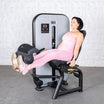
1. The Excel Plate-Loaded Glute Kick

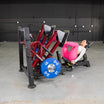
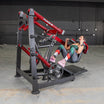
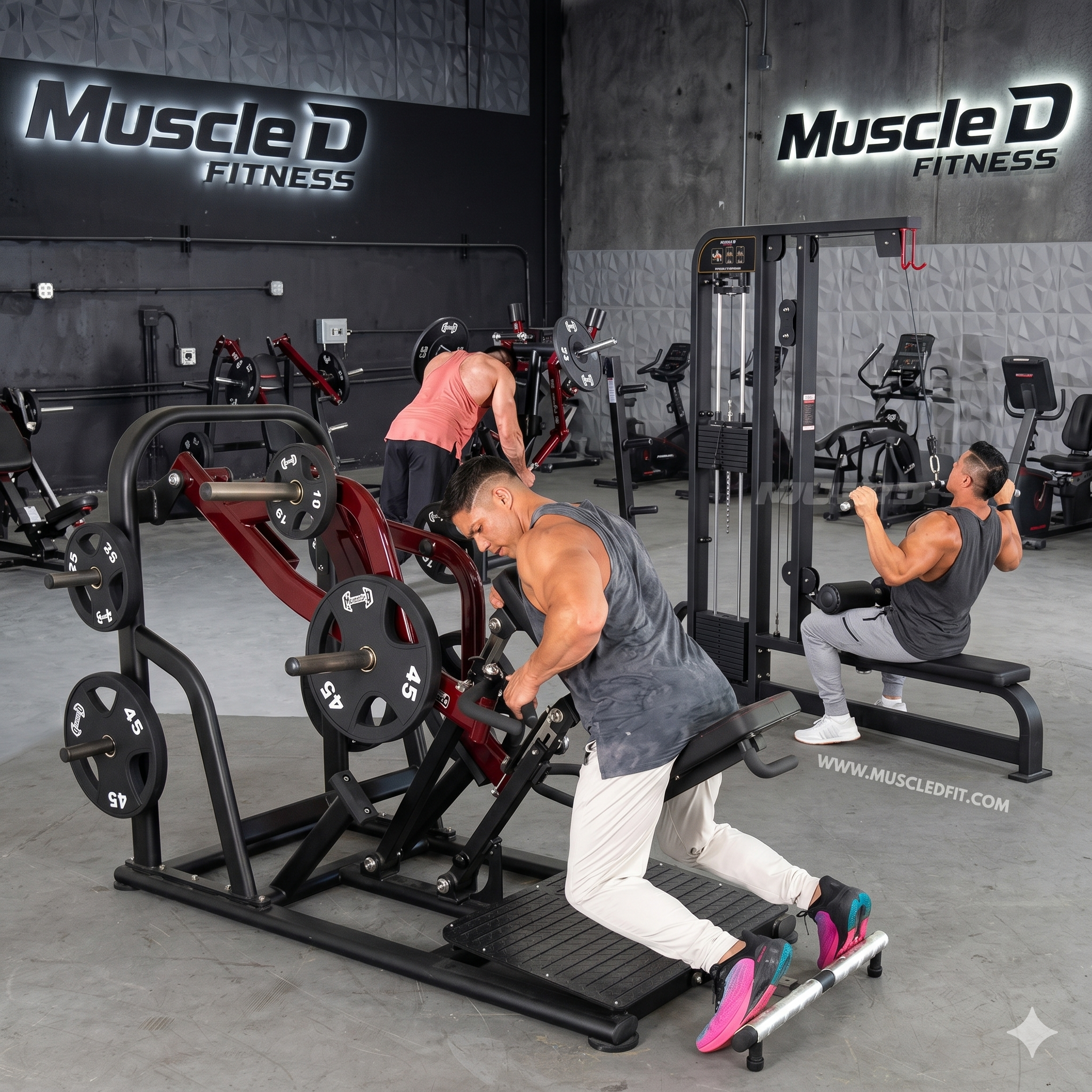
Built for unconstrained power, this model replaces the selectorized weight stack with a heavy-duty carriage meant for Olympic plates.
It significantly lowers equipment costs for gym owners while allowing serious lifters to scale their weight up to a massive 400 lbs. To accommodate heavy compression, it features frictionless commercial linear bearings that will not degrade under pressure.
- Explore the full specifications and options here: Excel Linear Bearing Glute Kick
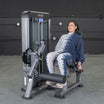
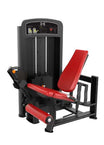
2. The Classic V2 Selectorized Glute Kick

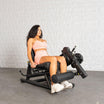
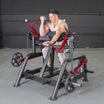
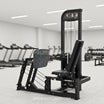
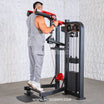
The ultimate "get in and go" solution for standard commercial gyms. It utilizes a 200 lb weight stack with a magnetic pin for rapid weight adjustments between sets. It features a 3- angle tower and a rotational 3-angle foot bar. It features an incredibly smooth glide system with plenty of travel length to accommodate a wide variety of athlete heights.
This is the go-to modern selectorized glute machine.
- Check out this model for your facility: Classic V2 Selectorized Glute Kick
Side-by-Side Comparison
-
Resistance Type
- Classic V2 Selectorized: 200 lb Selectorized Stack
- Excel Plate-Loaded: Olympic Plate-Loaded Carriage
-
Max Capacity
- Classic V2 Selectorized: 200 lbs
- Excel Plate-Loaded: 400 lbs
-
Starting Load
- Classic V2 Selectorized: 10 lbs (Highly Accessible)
- Excel Plate-Loaded: 30 lbs (Base Carriage)
- Footplate
- Classic V2 Selectorized: 3-Angle Tower & Rotational Foot Bar
- Excel Plate-Loaded: Fixed Oversized Platform
-
Ideal Facility
- Classic V2 Selectorized: High-traffic commercial, rapid turnover
- Excel Plate-Loaded: Strength clubs, powerlifting, budget-scaling
Built to Outlast the Commercial Floor
As Brian points out, if a machine is uncomfortable or overly complicated, members simply won't use it. Because a proper glute kick forces a significant amount of downward weight through the working leg, getting the contact points right is everything.
Today's Muscle D units are engineered to premium standards:
- The Chassis: Built with heavy-duty 11-gauge steel construction that carries no user weight limits.
- The Contact Points: Outfitted with premium double-stitched commercial upholstery built to withstand sweat and heavy friction.
- The Guarantee: Backed by a rock-solid industry-leading warranty across all models.
Whether you are hunting for high-rep shape or maximum strength, the 30-year journey of the glute kick proves that true biomechanical innovation is all about listening to the athletes on the gym floor.
See the full Muscle D Glute Lineup
If you want to explore every option in one place, you can view the full Muscle D Fitness glute collection here
Bottom line (and next step)
From the original Muscle Dynamics Booty Blaster in the 1990s to today’s Classic V2 Selectorized Glute Kick, this evolution has been driven by one goal: make glute training more effective and more user-friendly in real gyms.
If you’re outfitting a facility, upgrading a high-traffic strength floor, or building a glute-focused zone that members will actually use, let’s talk. We’ll help you choose the right model for your space, your traffic level, and your training goals.
Contact us here: https://muscledfit.com/pages/contact


Leave a comment
All comments are moderated before being published.
This site is protected by hCaptcha and the hCaptcha Privacy Policy and Terms of Service apply.