









Building Boulder Shoulders: The Milo of Croton Progressive Overload Protocol
By Muscle D Fitness
Building capped, three-dimensional, dense shoulders requires more than effort; it demands a structured, scientifically grounded framework built on systematic overload. This guide breaks down the core execution rules, a 2-day training split, exercise selection, equipment setup, and a full 13-week progressive overload wave periodization scheme.
Core Training Principles & Execution Rules
To ensure maximum safety, structural progression, and accurate volume tracking throughout this 13-week block, adhere strictly to these three principles:
- Auto-Regulation: If your form degrades before reaching the target rep count during peak high-volume weeks (Weeks 4, 6, and 11), do not force a weight increase. Repeat that week's parameters for one additional session until strict technique is preserved before advancing.
- Standardized Rest Intervals: Maintain consistent rest periods — 120–150 seconds for heavy compound movements and 60–90 seconds for isolation exercises — throughout all weeks. Consistent rest ensures volume progressions reflect true work-capacity gains.
- Working Sets Only: Volume load calculations reflect working sets only. Do not count warm-up sets toward weekly training load totals.
The Science of Milo of Croton & Progressive Overload
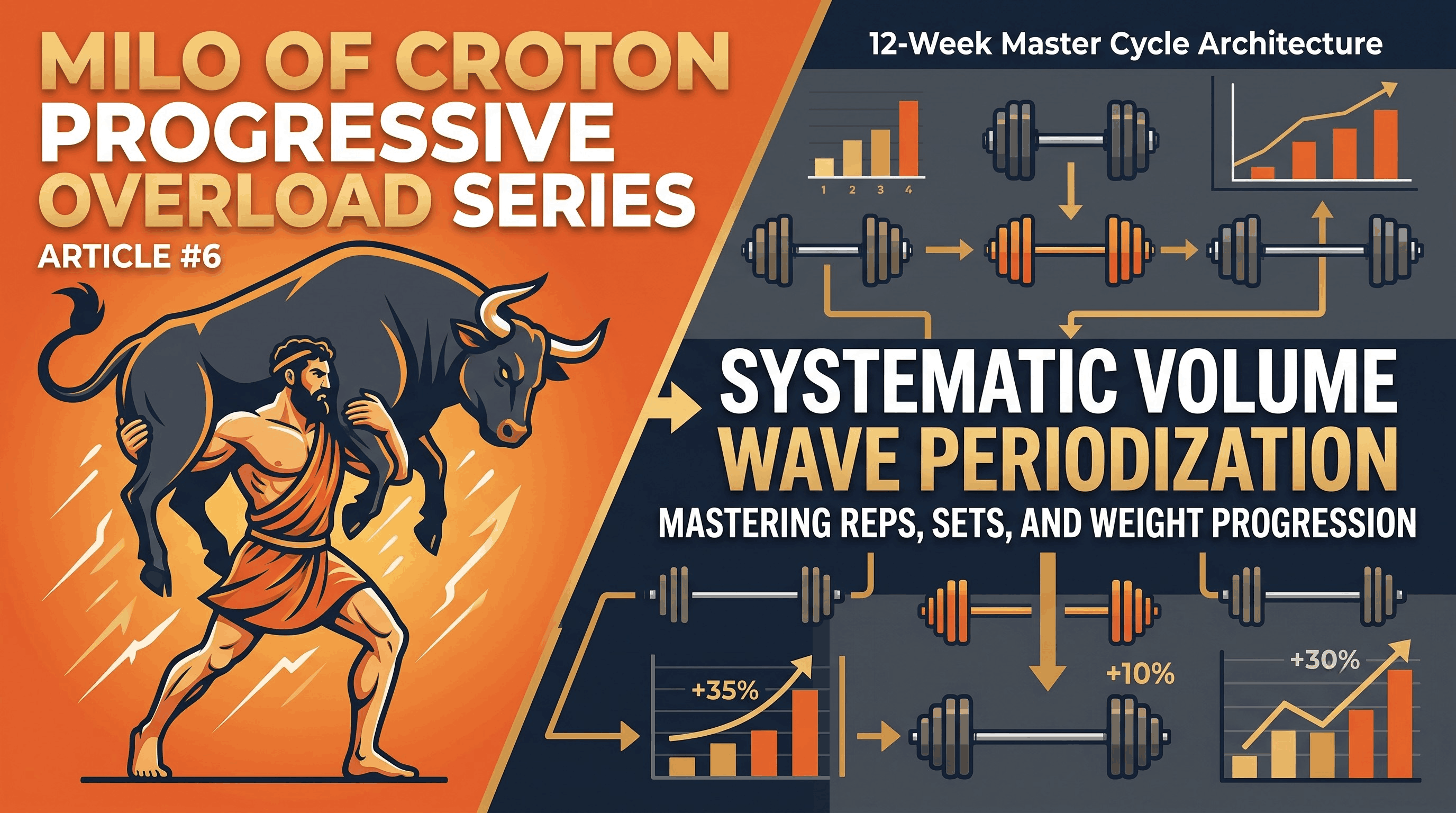
Ancient Greek legend tells of Milo of Croton, a celebrated wrestler who lifted a newborn calf onto his shoulders every day. As the calf grew into a full-sized bull, Milo grew proportionately stronger — the world's oldest recorded application of Progressive Overload.
In modern exercise science, muscle hypertrophy and strength adaptations are driven by progressive increases in mechanical tension, total training volume, and structural loading over time (Schoenfeld, 2010). However, simply adding weight every week leads to joint breakdown, neural fatigue, and training plateaus.
To honor Milo's principles while keeping your joints healthy, this program uses a Systematic Volume Wave Periodization strategy (Muscle D Fitness Periodization Protocol). By systematically escalating reps and sets over a multi-week block before resetting volume and stepping up the base weight, you force steady muscular adaptations without overtaxing recovery.
Training Day Breakdown
To maximize deltoid development, training is split into two complementary days per week separated by 48–72 hours of recovery (e.g., Mon/Fri or Tues/Sat):
- Day 1 — Heavy Basic Strength: Heavy compound pressing to maximize mechanical tension and raw strength, followed by structural shoulder hypertrophy work.
- Day 2 — Volume / Specific Isolation: Machine-assisted hypertrophy pressing and targeted isolation movements using continuous cable tension and dedicated isolation machines to maximize metabolic stress across all three deltoid heads.
Day 1: Heavy Basic Strength & Structural Loading
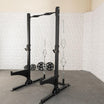
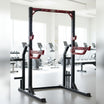
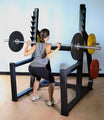
1. Standing Overhead Press from Rack
The foundational compound movement for building thick anterior delts, upper chest structure, and core stability.

- Equipment Required:
- Rest Interval: 120–150 seconds between sets.
Loading & Progression Cycle
- Weeks 1–2: 3 Sets × 5 Reps — Establish baseline weight with strict technique.
- Week 3: 3 Sets × 6 Reps
- Week 4 (Auto-Regulation Check): 3 Sets × 8 Reps
- Week 5: 3 Sets × 10 Reps
- Week 6 (Auto-Regulation Check): 4 Sets × 10 Reps
- Week 7: 5 Sets × 10 Reps (Peak Volume Phase)
- Weeks 8–9 (Re-Anchor Phase): 5 Sets × 5 Reps — Return to 5 reps and push weight significantly above Week 1 baseline.
- Week 10: 5 Sets × 6 Reps
- Week 11 (Auto-Regulation Check): 5 Sets × 8 Reps
- Week 12: 5 Sets × 10 Reps
- Week 13 (Strength Test): 3 Sets × 5 Reps — Push for new heavy weight records.
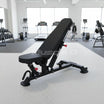
2. Seated Dumbbell Press
Dumbbell pressing allows each arm to work independently, correcting muscular asymmetries and allowing a natural path of motion for the shoulder joint.

- Equipment Required: Muscle D Utility Bench + Commercial Dumbbells
- Rest Interval: 120–150 seconds between sets.
Loading & Progression Cycle
Starting at 8 reps, follow the Milo #6 Rep Progression Model to systematically scale reps, sets, and working loads over the 13-week cycle.
3. Front, Side, & Rear Delt Dumbbell Raises (Tri-Set)
To build full "3D" boulder shoulders, all three heads of the deltoid — anterior, lateral, and posterior — must be targeted in a single sequence.
- Equipment Required: Commercial Dumbbells
- Rest Interval: 60–90 seconds after completing all three heads.
Loading & Progression Cycle
- Weeks 1–2 (Baseline): 3 Sets × 10 Reps each (Front, Side, Rear)
- Week 3: 3 Sets × 12 Reps
- Week 4 (Auto-Regulation Check): 3 Sets × 15 Reps
- Week 5: 3 Sets × 20 Reps
- Week 6 (Auto-Regulation Check): 4 Sets × 20 Reps
- Week 7: 5 Sets × 20 Reps
- Weeks 8–9 (Structural Deload & Heavy Anchor): 5 Sets × 10 Reps — Step up to a heavier dumbbell weight.
- Week 10: 5 Sets × 12 Reps
- Week 11 (Auto-Regulation Check): 5 Sets × 15 Reps
- Week 12: 5 Sets × 20 Reps
- Week 13 (Peak Strength Test): 3 Sets × 10 Reps — Test baseline strength with significantly heavier dumbbells.
Day 2: Volume & Specific Isolation
1. Volume Seated Dumbbell Press
Revisiting seated dumbbell pressing with a high-volume hypertrophy focus.
- Equipment Required: Muscle D Utility Bench + Commercial Dumbbells
- Rest Interval: 120 seconds between sets.
Loading & Progression Cycle
- Weeks 1–2: 3 Sets × 10 Reps — Solid form; push weight across both weeks.
- Week 3: 3 Sets × 12 Reps
- Week 4 (Auto-Regulation Check): 3 Sets × 15 Reps
- Week 5: 3 Sets × 20 Reps
- Week 6 (Auto-Regulation Check): 4 Sets × 20 Reps
- Week 7: 5 Sets × 20 Reps
- Weeks 8–9: 5 Sets × 10 Reps — Increase working weight.
- Week 10: 5 Sets × 12 Reps
- Week 11 (Auto-Regulation Check): 5 Sets × 15 Reps
- Week 12: 5 Sets × 20 Reps
- Week 13: 3 Sets × 10 Reps — Push heavy load.
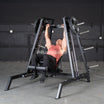
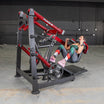
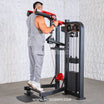
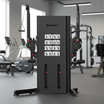
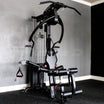
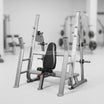
2. Machine Volume Training (Convergent / Iso-Lateral Pressing)
Machine pressing removes stabilization demands, allowing you to recruit maximal motor units and safely drive deltoids to complete fatigue under high rep ranges (Kraemer & Ratamess, 2004).


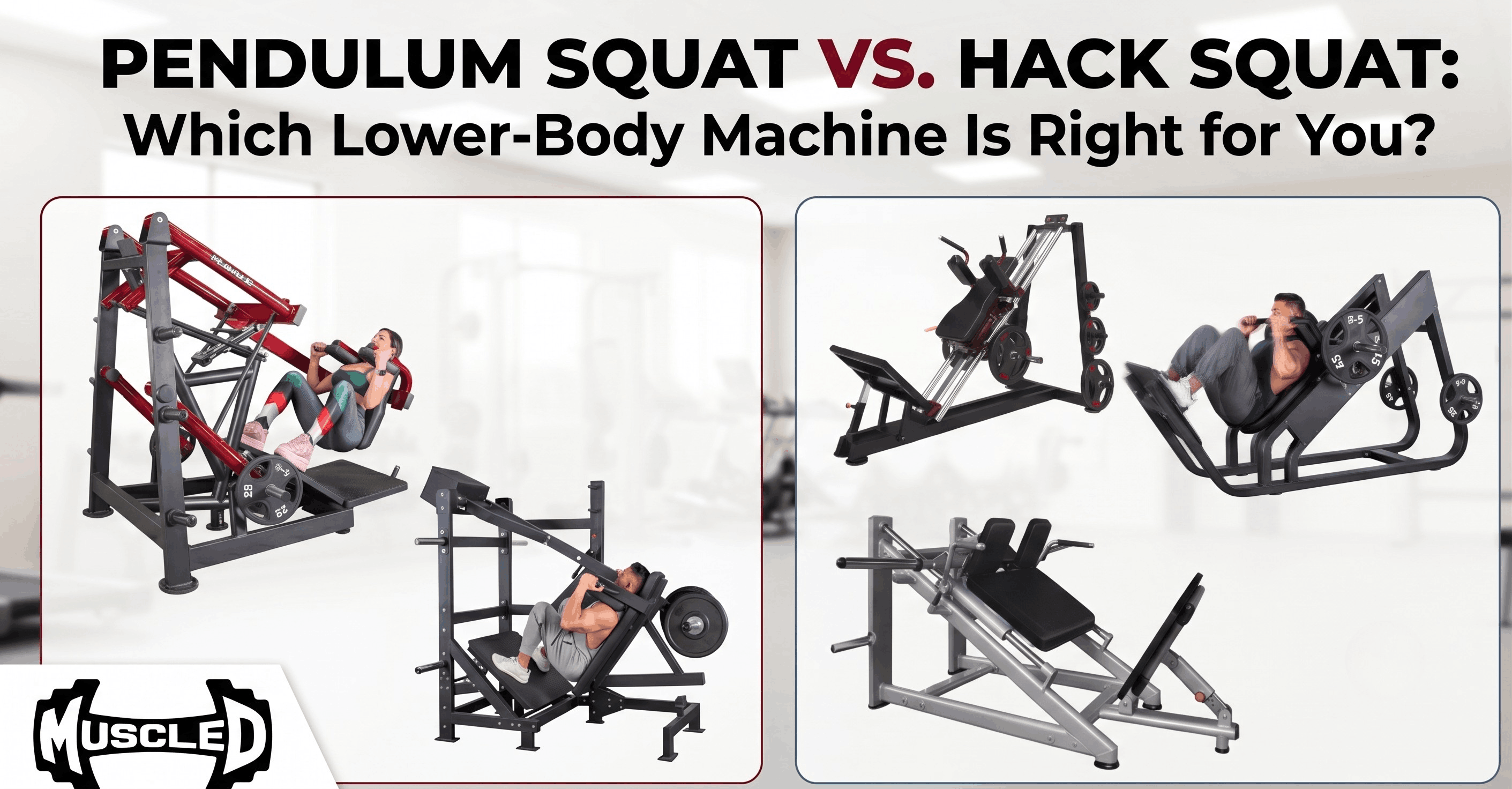
- Equipment Options:
- Rest Interval: 90–120 seconds between sets.
Loading & Progression Cycle
- Weeks 1–2: 3 Sets × 15 Reps — Establish working weight.
- Week 3: 3 Sets × 18 Reps
- Week 4 (Auto-Regulation Check): 3 Sets × 20 Reps
- Week 5: 3 Sets × 22 Reps
- Week 6 (Auto-Regulation Check): 4 Sets × 22 Reps
- Week 7: 5 Sets × 22 Reps
- Weeks 8–9: 5 Sets × 15 Reps — Push the weight up.
- Week 10: 5 Sets × 18 Reps
- Week 11 (Auto-Regulation Check): 5 Sets × 20 Reps
- Week 12: 5 Sets × 22 Reps
- Week 13: 3 Sets × 15 Reps — Push heavier plate loads.
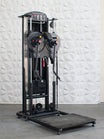
3. Isolation Focus: Front, Side, & Rear Delt Raises with Cables & Targeted Machines
The objective here is strictly targeted volume, constant tension, and clean execution. Eliminate momentum and keep the deltoid isolated throughout the full range of motion.


- Equipment Options:
- Rest Interval: 60 seconds between sets.
Loading & Progression Cycle
- Weeks 1–2: 3 Sets × 15 Reps
- Week 3: 3 Sets × 18 Reps
- Week 4 (Auto-Regulation Check): 3 Sets × 20 Reps
- Week 5: 3 Sets × 22 Reps
- Week 6 (Auto-Regulation Check): 4 Sets × 22 Reps
- Week 7: 5 Sets × 22 Reps
- Weeks 8–9: 5 Sets × 15 Reps — Test heavier load with perfect form.
- Week 10: 5 Sets × 18 Reps
- Week 11 (Auto-Regulation Check): 5 Sets × 20 Reps
- Week 12: 5 Sets × 22 Reps
- Week 13: 3 Sets × 15 Reps — Test heavier weight with immaculate technique.
Scientific References
- Schoenfeld, B. J. (2010). The mechanisms of muscle hypertrophy and their application to resistance training. Journal of Strength and Conditioning Research, 24(10), 2857–2872.
- Kraemer, W. J., & Ratamess, N. A. (2004). Fundamentals of resistance training: progression and exercise prescription. Medicine & Science in Sports & Exercise, 36(4), 674–688.
- Schoenfeld, B. J., Ogborn, D., & Krieger, J. W. (2017). Dose-response relationship between weekly resistance training volume and increases in muscle mass: A systematic review and meta-analysis. Journal of Sports Sciences, 35(11), 1073–1082.
- Schoenfeld, B. J., Contreras, B., Krieger, J., et al. (2019). Resistance Training Volume Enhances Muscle Hypertrophy but Not Strength in Trained Men. Medicine & Science in Sports & Exercise, 51(1), 94–103.

Dejar un comentario
Todos los comentarios se revisan antes de su publicación.
Este sitio está protegido por hCaptcha y se aplican la Política de privacidad de hCaptcha y los Términos del servicio.