

















In the late 1970s and 1980s, the fitness world was gripped by a singular obsession: aerobics. Legwarmers, high-impact dance classes, and hours spent pounding the treadmill were promoted as the holy grail of health and fat loss. Weight lifting was widely dismissed as a niche activity reserved exclusively for bulked-up bodybuilders.
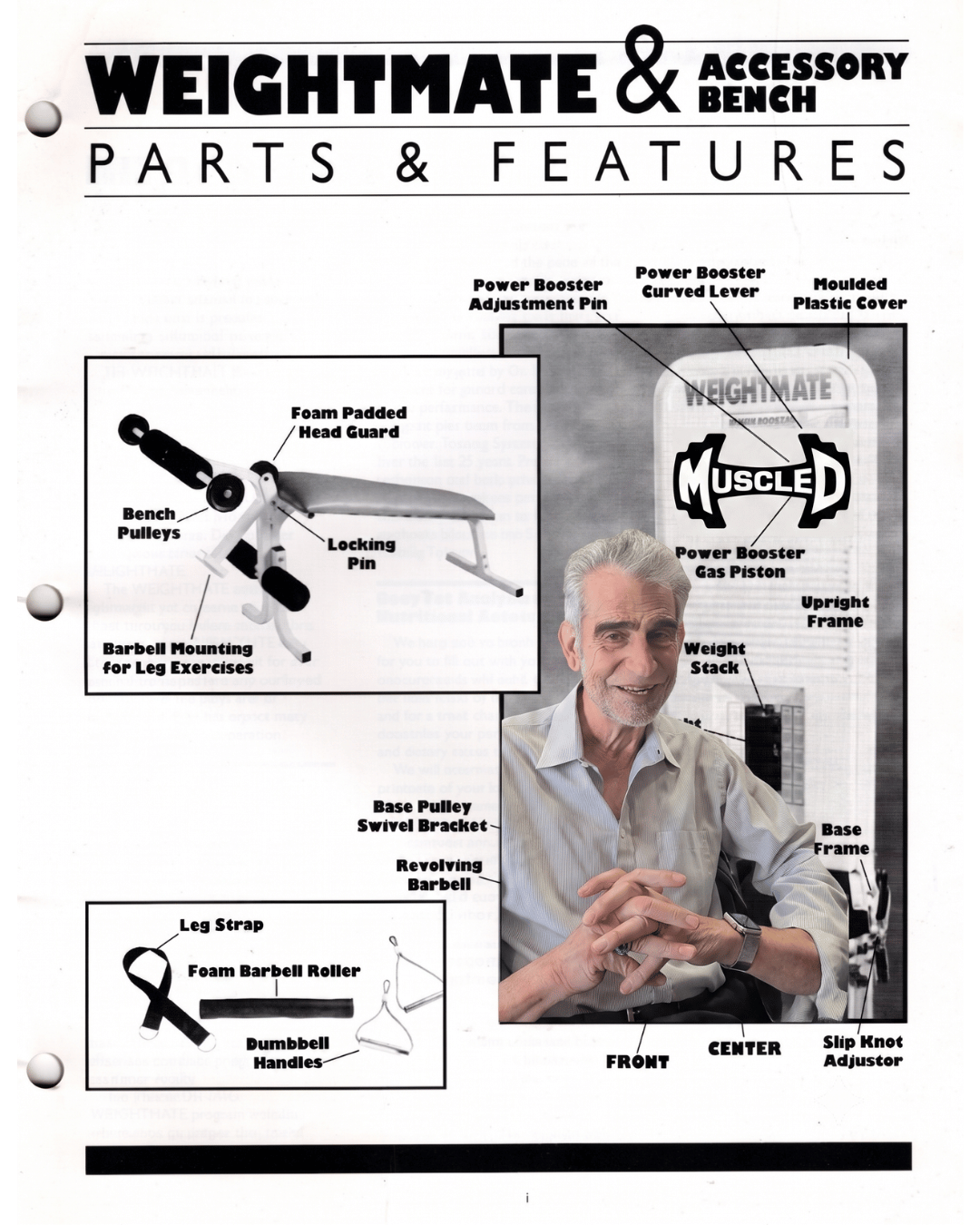
But in 1977, a visionary named Brian Lewallen founded Muscle Dynamics, a company destined to challenge the status quo. Fast forward to 1988 and 1989, and Lewallen teamed up with Dr. Gregory Ellis, a brilliant mind who would earn his PhD in Physiology from Temple University School of Medicine.
Together, they engineered a training philosophy for Muscle Dynamics that completely inverted mainstream advice. Decades before "biohacking," high-intensity interval training (HIIT), and keto became household words, Lewallen was working with Dr. Ellis, who created the Spectrum Training System. By reverse-engineering medical literature, they proved that optimal health wasn't found on a treadmill, but in the precise physiology of the human muscle.
Here is the groundbreaking blueprint they left behind, and why it remains the ultimate guide to a leaner, stronger, and healthier physique today.
The Core Philosophy: Science Over Fads
The Spectrum Training System approaches fitness by stripping away generic marketing fads and looking directly at how human bodies function. The premise is simple: muscles move bones via tendons, and human muscles consist of three distinct fiber types — red (slow-twitch) and two separate types of fast-twitch fibers.
Because each fiber type is designed for a specific task, Dr. Ellis and Lewallen argued that exercise must be varied. By utilizing different types of exercises and varying intensities, the Spectrum Training System stimulates all muscle fibers, ensuring workouts are maximally efficient and effective — whether your goal is athletic conditioning, aesthetic shaping, or lifelong health.
Key Takeaways from the Muscle Dynamics Manual
The collaboration between Lewallen and Dr. Ellis culminated in the Weightmate Training Manual, a text that read less like a standard 1980s workout guide and more like a modern physiological masterclass. Its core pillars include:
1. Calories Are King
When it comes to altering your body composition, total energy balance is the fundamental requirement for success. Whether your goal is to gain lean mass or lose body fat, tracking and maintaining an intentional caloric intake is the non-negotiable foundation.
2. Re-Evaluating the "Low-Fat, High-Carb" Myth
Decades before low-carb diets gained mainstream acceptance, Dr. Ellis, a Certified Nutrition Specialist and author of Ultimate Diet Secrets, was soundly rejecting standard government health advice. The manual warned that high-carbohydrate diets trigger hormonal shifts that actually promote fat storage and muscle loss. Instead, it advocated for a diet rich in high-quality protein and natural fats, which are vital for hormone regulation and muscle development.
3. Resistance is a Cardiovascular Weapon
Muscle Dynamics boldly claimed that resistance training is not just for building big muscles; it is highly effective for heart health, body fat reduction, and body shaping. In fact, structured weight training provides cardiovascular and metabolic benefits comparable to or better than those of traditional aerobic exercise.
4. Monitor Your Effort (RPE)
To prevent the twin traps of fitness, plateaus and overtraining, the system championed the use of the Rate of Perceived Exertion (RPE) scale (0–10). By using this subjective rating system, trainees could accurately measure their daily workout intensity and scientifically determine exactly when to increase resistance.
5. Consistency Trumps Intensity
While hard work is a prerequisite for change, regularity is the most critical driver of physical transformation. Meaningful, lasting physical change does not happen from a single grueling workout; it happens when you apply consistent, progressive stress to your muscles over time.
The Legacy of Dr. Gregory Ellis
The scientific backbone of the Spectrum Training System is owed to Dr. Ellis's multidisciplinary expertise. Drawing on over 40 years of research into body composition and anti-aging, Dr. Ellis integrated physiology with nutrition, homeopathy, and acupuncture to unlock human potential.
As a vocal advocate for high-fat, low-carbohydrate dieting, he focused his work on the dangers of glycation (sugar-induced damage to proteins) in aging and disease. His extensive writings, ranging from the massive 598-page weight-control guide and autobiography Ultimate Diet Secrets to his technical reviews on bioDensity Isometric Technology, helped pave the way for how we view resistance training and metabolic health today.
The Verdict
Brian Lewallen and Dr. Gregory Ellis were not just fitness enthusiasts in the 1980s, they built a framework for human performance that was decades ahead of its time. The Spectrum Training System's emphasis on muscle fiber science, macronutrient quality, resistance training for cardiovascular health, and progressive overload mirrors the most evidence-based training methodologies used by elite coaches and sports scientists today.
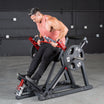
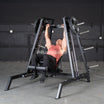
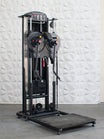
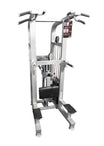
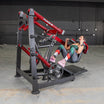
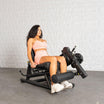
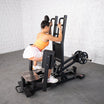
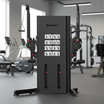
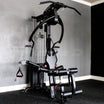
At Muscle D Fitness, we carry that legacy forward, engineering premium strength equipment built on the same physiological principles that Lewallen and Dr. Ellis championed. Because the science of the human body hasn't changed. Only our understanding of it has deepened.
Flip through the original program below!
Spectrum Training by Jeff Goergen


Dejar un comentario
Todos los comentarios se revisan antes de su publicación.
Este sitio está protegido por hCaptcha y se aplican la Política de privacidad de hCaptcha y los Términos del servicio.