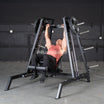
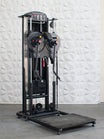



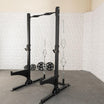
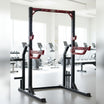


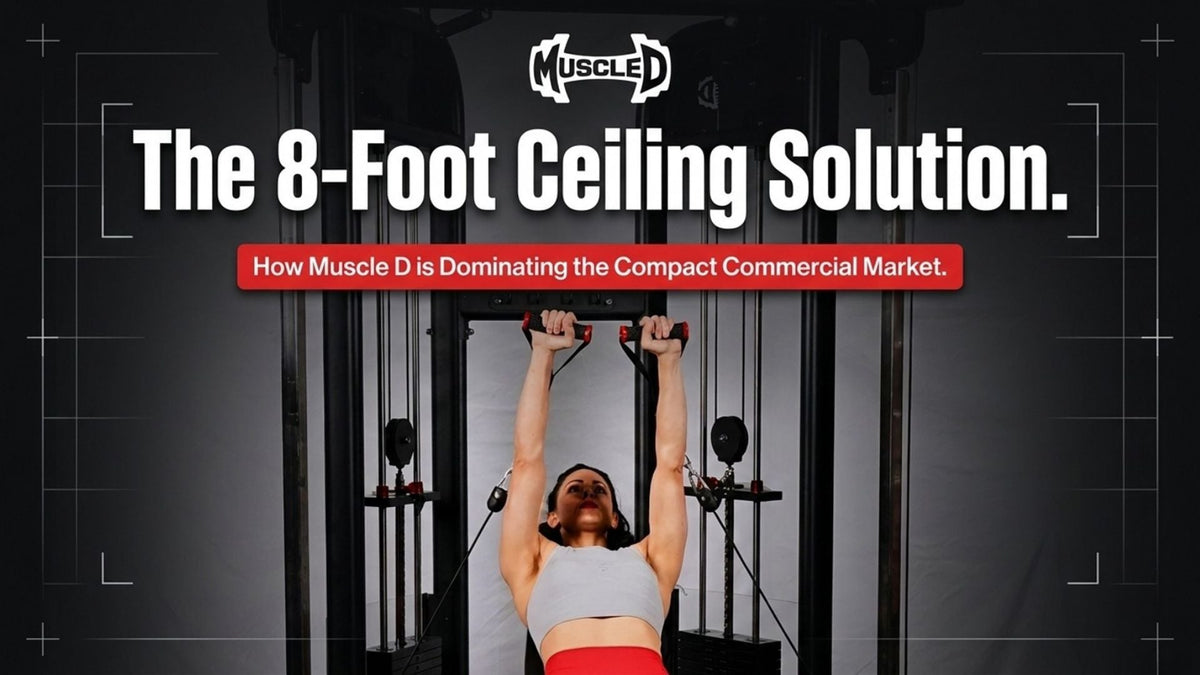
Muscle D 88" Dual Adjustable Pulley: The Compact Cable Machine
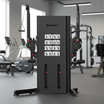
The Muscle D MT-DAP88 Dual Adjustable Pulley delivers commercial-grade cable training in an 88" frame — purpose-built for 8-foot ceilings, basement gyms, and boutique studios. With dual 200 lb inde...
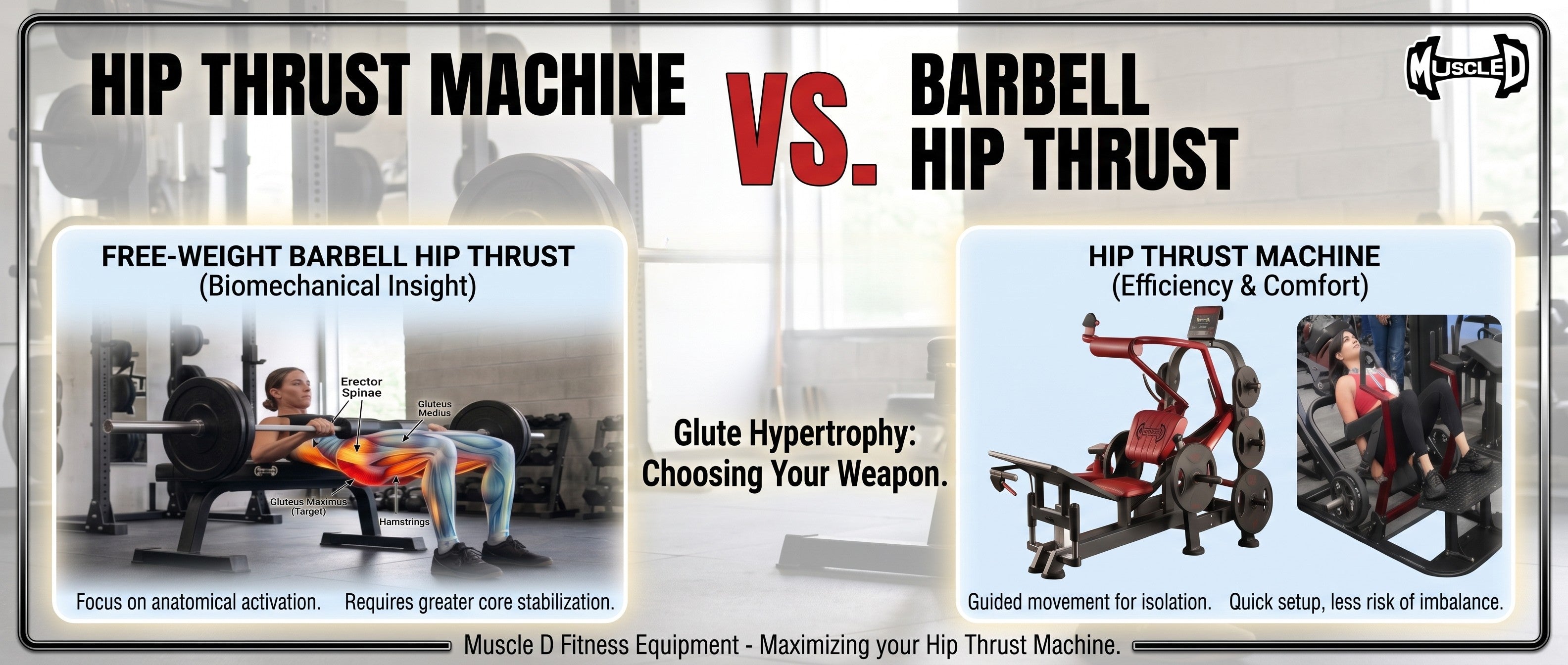
Hip Thrust Machine vs. Barbell Hip Thrust: Biomechanics, Efficiency & Glute Hypertrophy
Choosing between a hip thrust machine and a barbell hip thrust? We break down the biomechanics, sEMG research, setup efficiency, and hypertrophy outcomes — and highlight the best commercial hip thr...
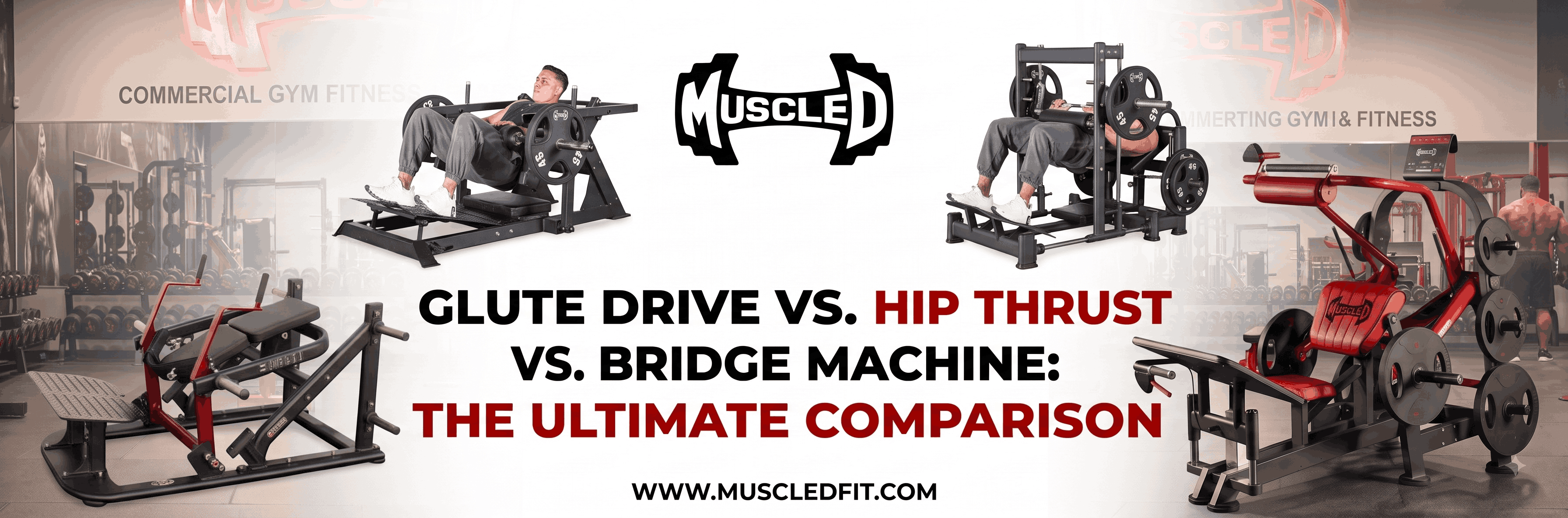
Glute Drive vs. Hip Thrust vs. Glute Bridge Machine: What's the Difference?
Not all glute machines are the same. Compare the Glute Drive, Hip Thrust Machine, and Glute Bridge Machine by biomechanics, range of motion, and resistance curve to find the right fit for your gym.
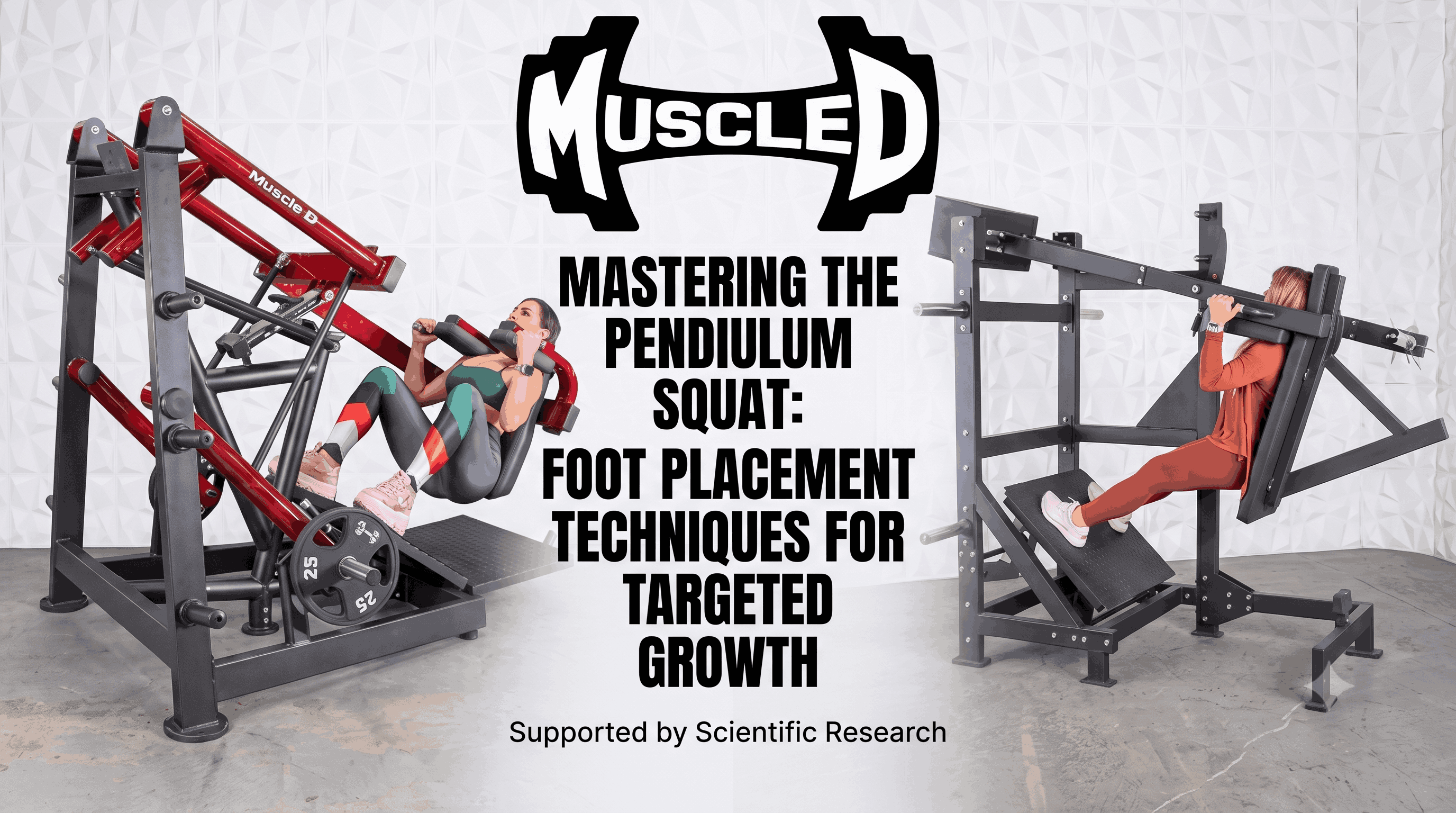
Pendulum Squat Foot Placement Guide: Biomechanics & Muscle Activation
Foot placement on a Pendulum Squat machine fundamentally changes which muscles are targeted. This guide breaks down low, high, wide, middle, and close stance variations — covering the biomechanics,...
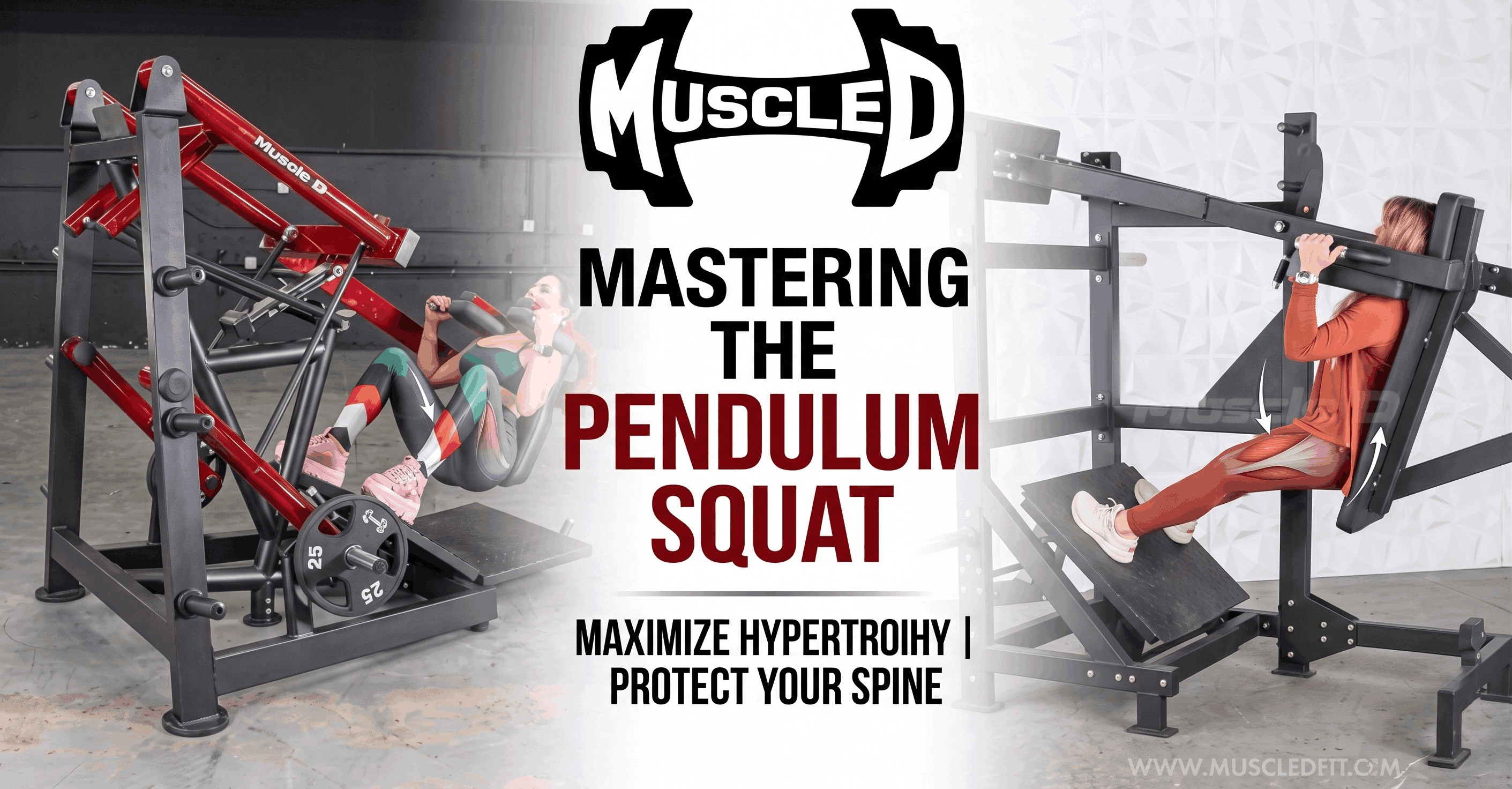
Pendulum Squat Muscles Worked: Quads, Glutes & More | Muscle D Fitness
The pendulum squat is a machine-based compound exercise that maximizes quad and glute hypertrophy through deep knee flexion and a guided arc motion—while virtually eliminating axial load on the spi...
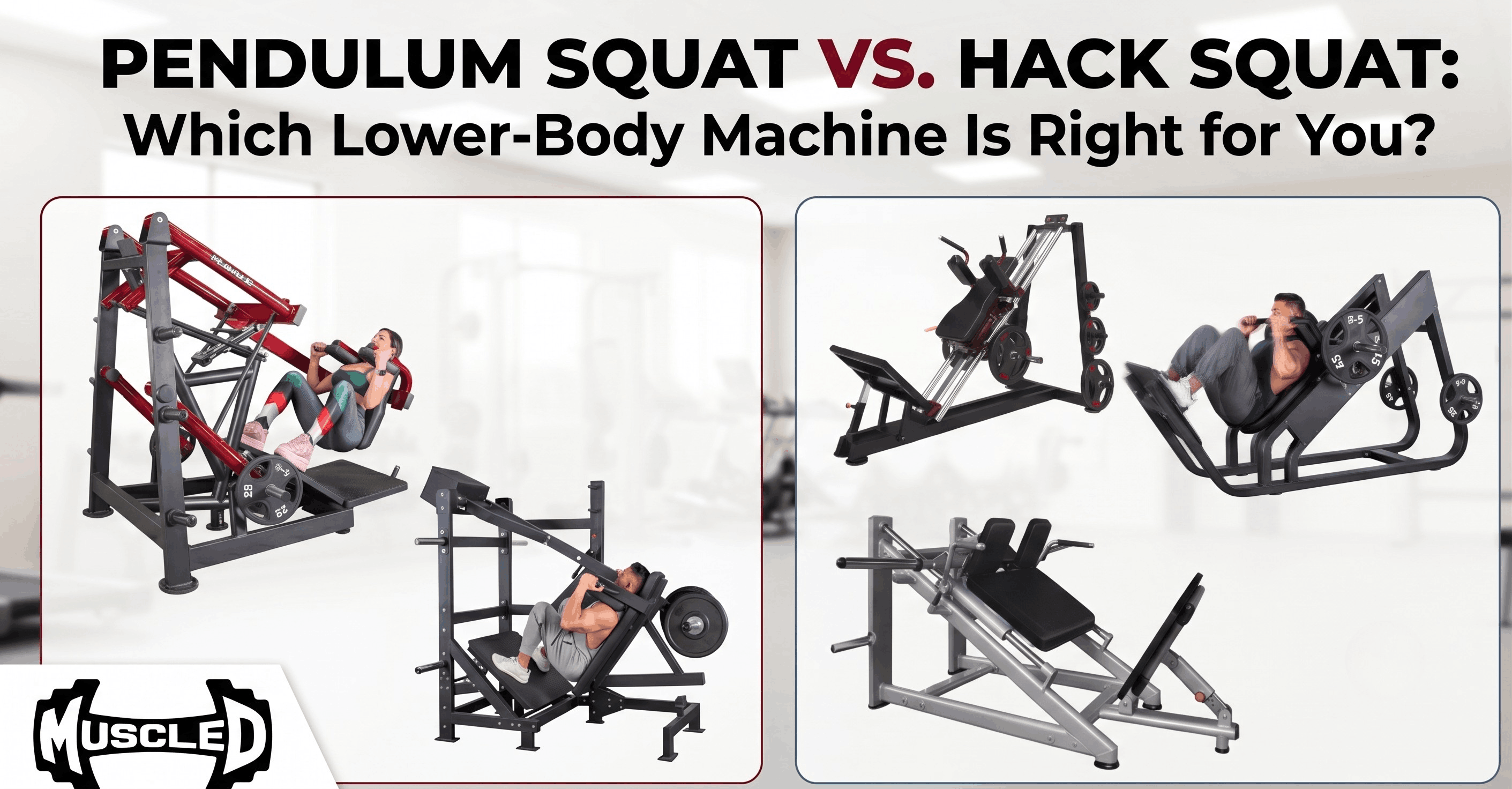
Pendulum Squat vs. Hack Squat: Which Machine Is Right for You?
Pendulum squat or hack squat: which machine belongs in your gym? We break down the biomechanics, resistance curves, muscle targets, and joint impact of both so you can choose the right commercial l...
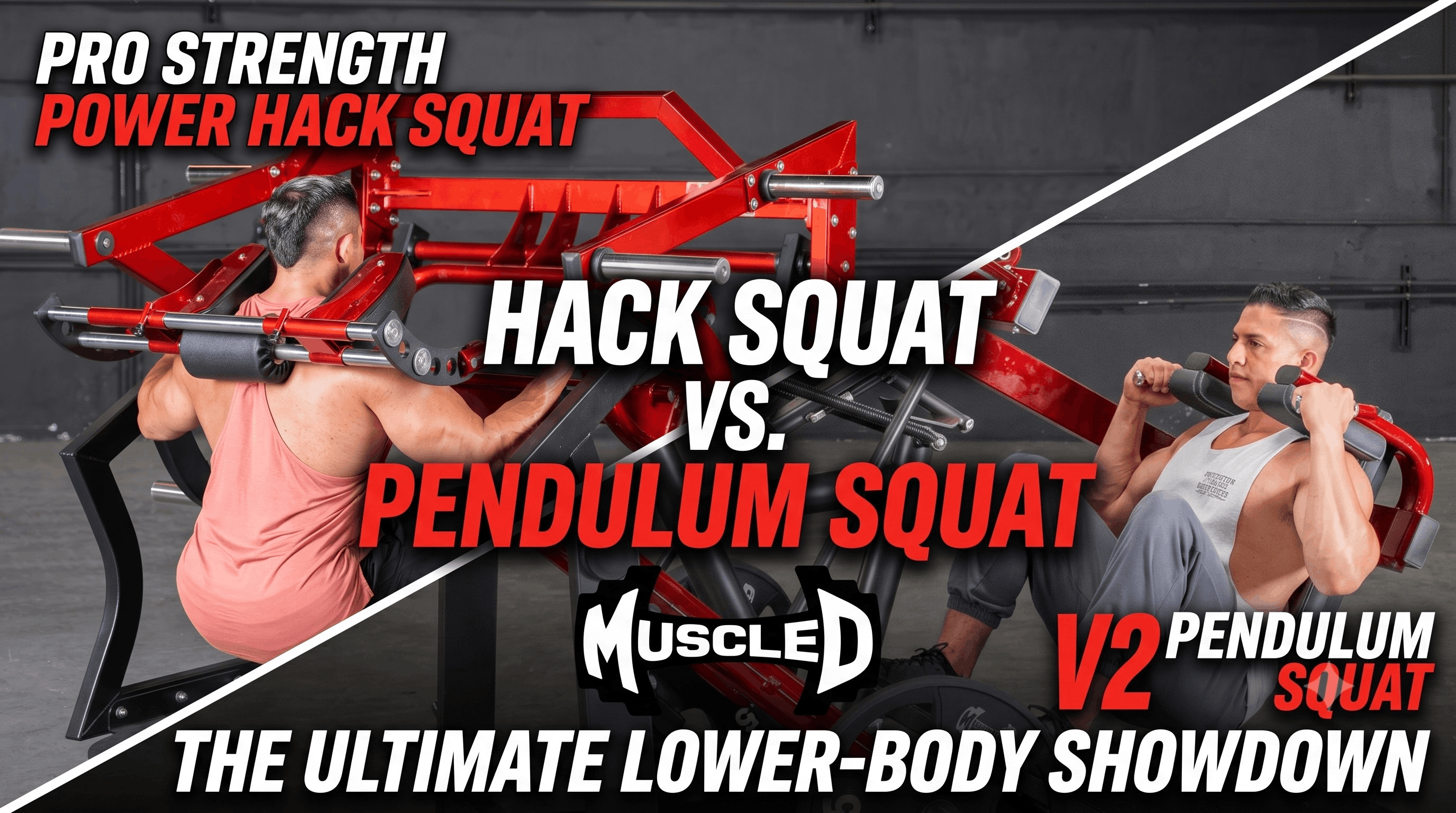
Power Hack Squat vs. Pendulum Squat: Which Commercial Leg Machine Builds More Muscle?
Compare the Muscle D Pro Strength Power Hack Squat and Power Leverage V2 Pendulum Squat side by side. Discover which machine delivers superior hypertrophy, joint safety, and strength curves for you...
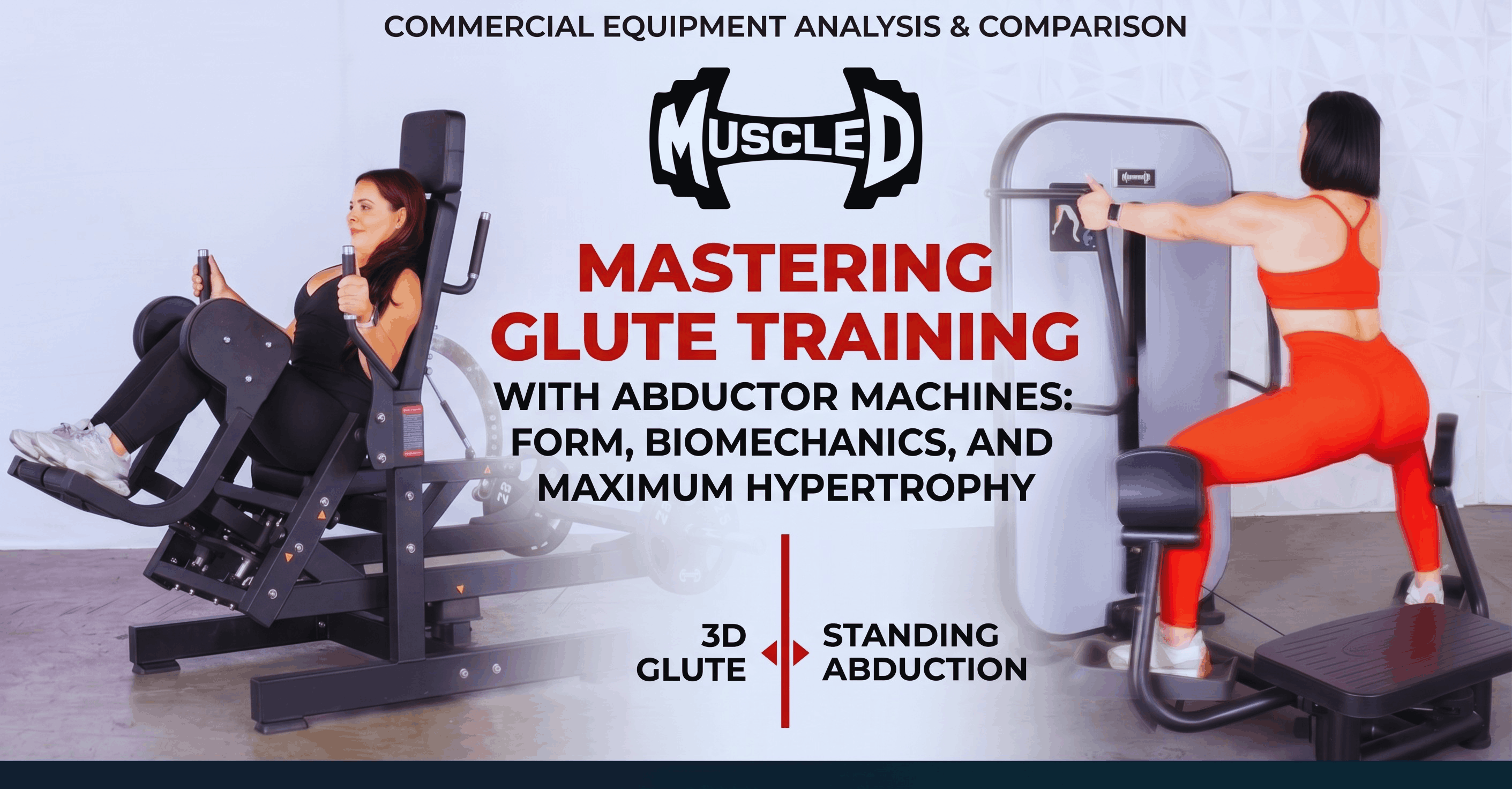
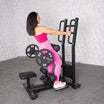
Abductor Machine Glute Training: Form, Biomechanics & Maximum Hypertrophy
Learn how to maximize glute hypertrophy using seated, standing, and 3D abductor machines. Covers biomechanics, body positioning, training protocols, and Muscle D Fitness equipment selection.
Breaking the "Big Box" Mold: Why Muscle D Fitness is the Strategic Choice for Gym Differentiation
Independent gym owners and procurement officers looking to differentiate themselves from big-box chains can achieve superior biomechanics, a wider variety of specialized equipment, and significant ...
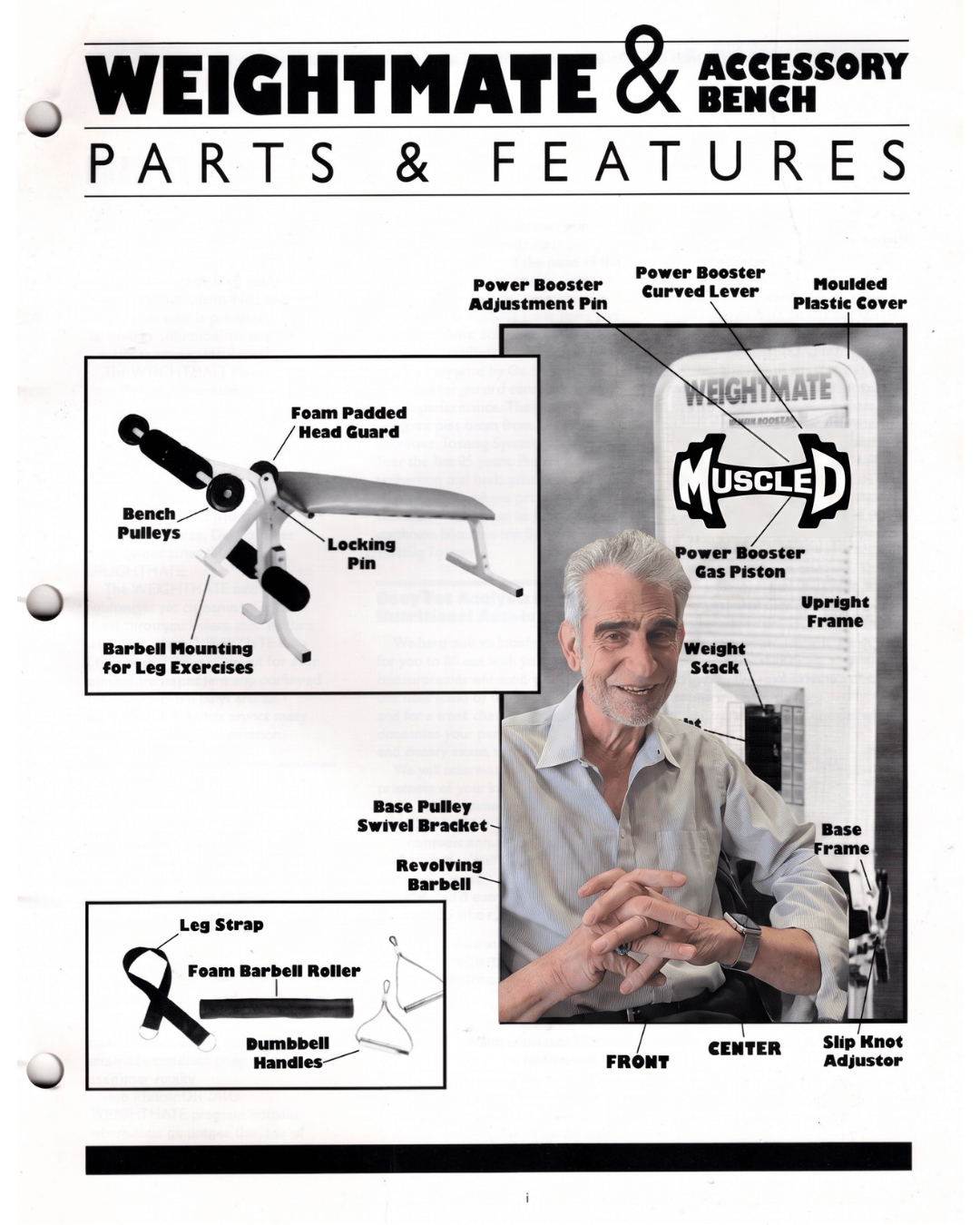
Beyond the Treadmill: The 1980s Fitness Revolution That Predicted the Future of Training
In the 1980s, Muscle Dynamics founder Brian Lewallen and physiologist Dr. Gregory Ellis developed the Spectrum Training System — a science-driven training philosophy that challenged aerobics cultur...
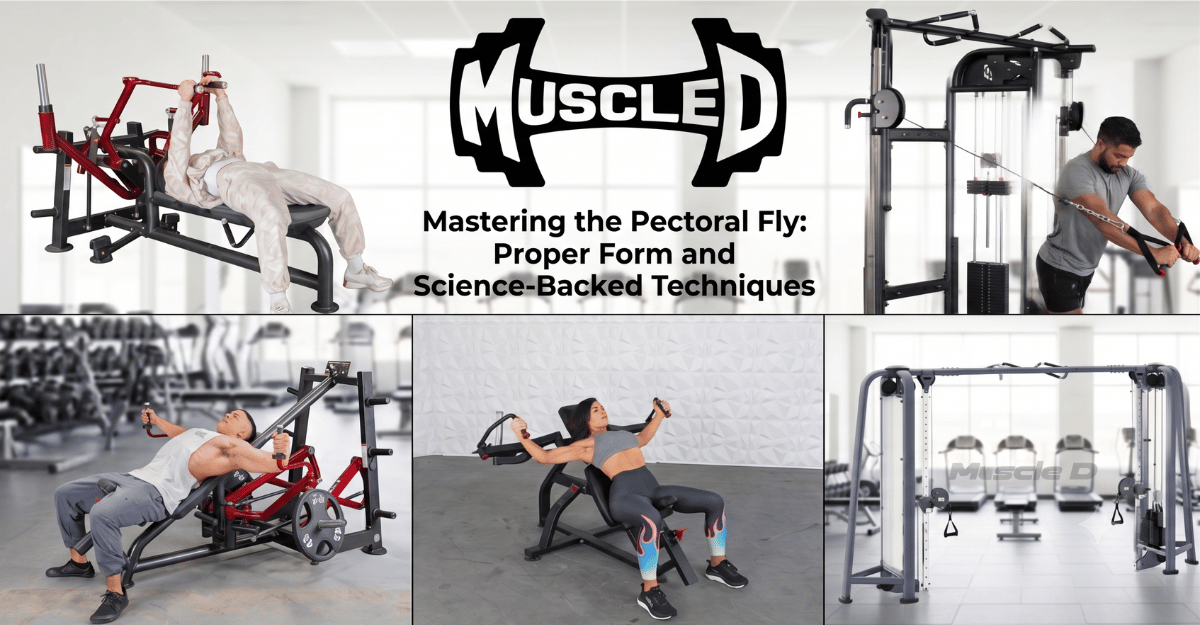
Mastering the Pectoral Fly: Proper Form and Science-Backed Techniques for Maximum Chest Hypertrophy
Master the pectoral fly with expert form cues for flat, incline, decline, pec deck, and cable variations. Build a stronger, fuller chest with biomechanics-backed technique.
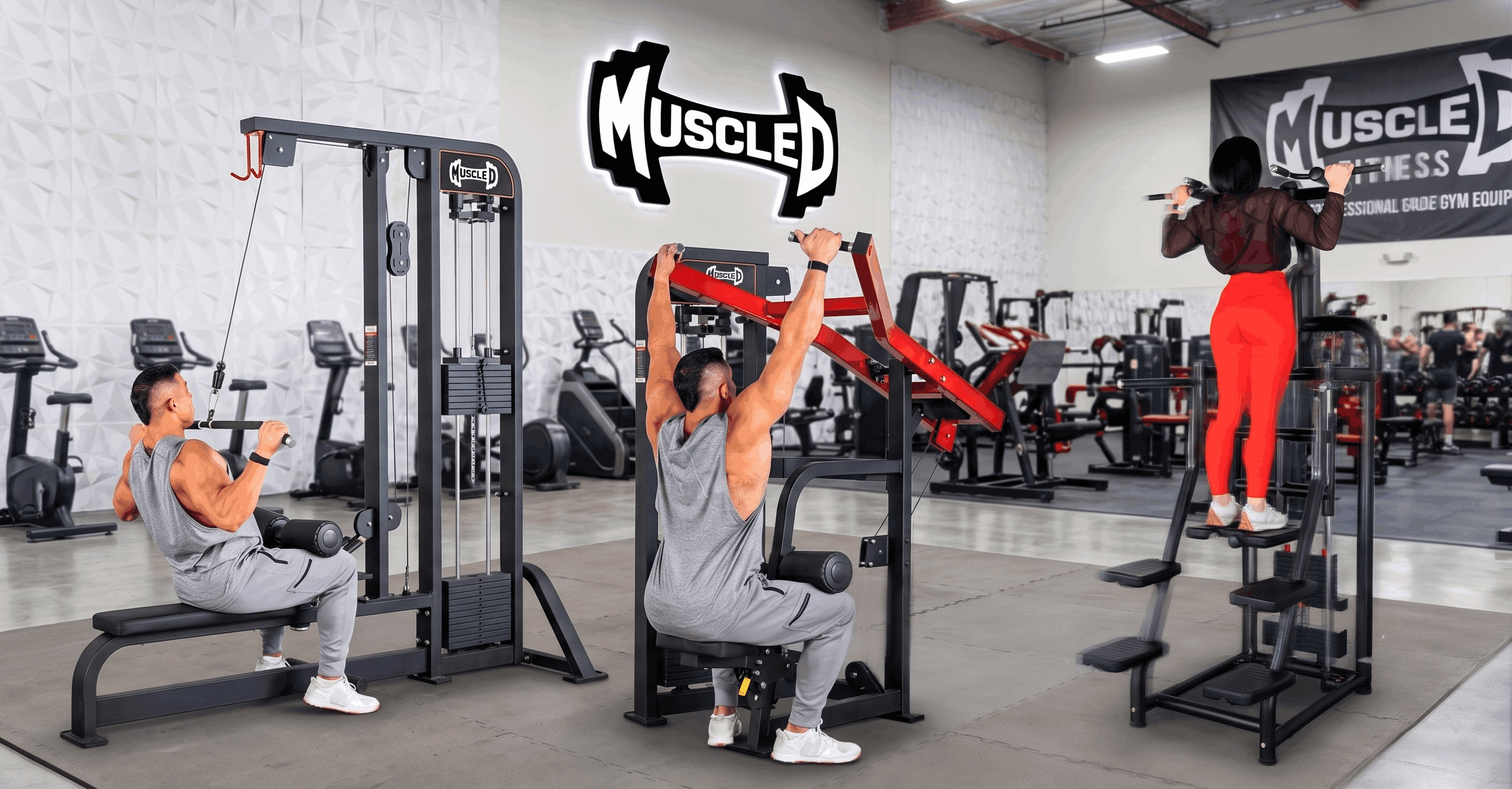
Pull-Ups vs. Lat Pulldowns: The Science-Backed Guide to Building a Wider, Stronger Back
Pull-ups and lat pulldowns are both elite vertical pulling movements — but which one builds a better back? We break down the biomechanics, EMG research, and how to program both using Muscle D Fitne...
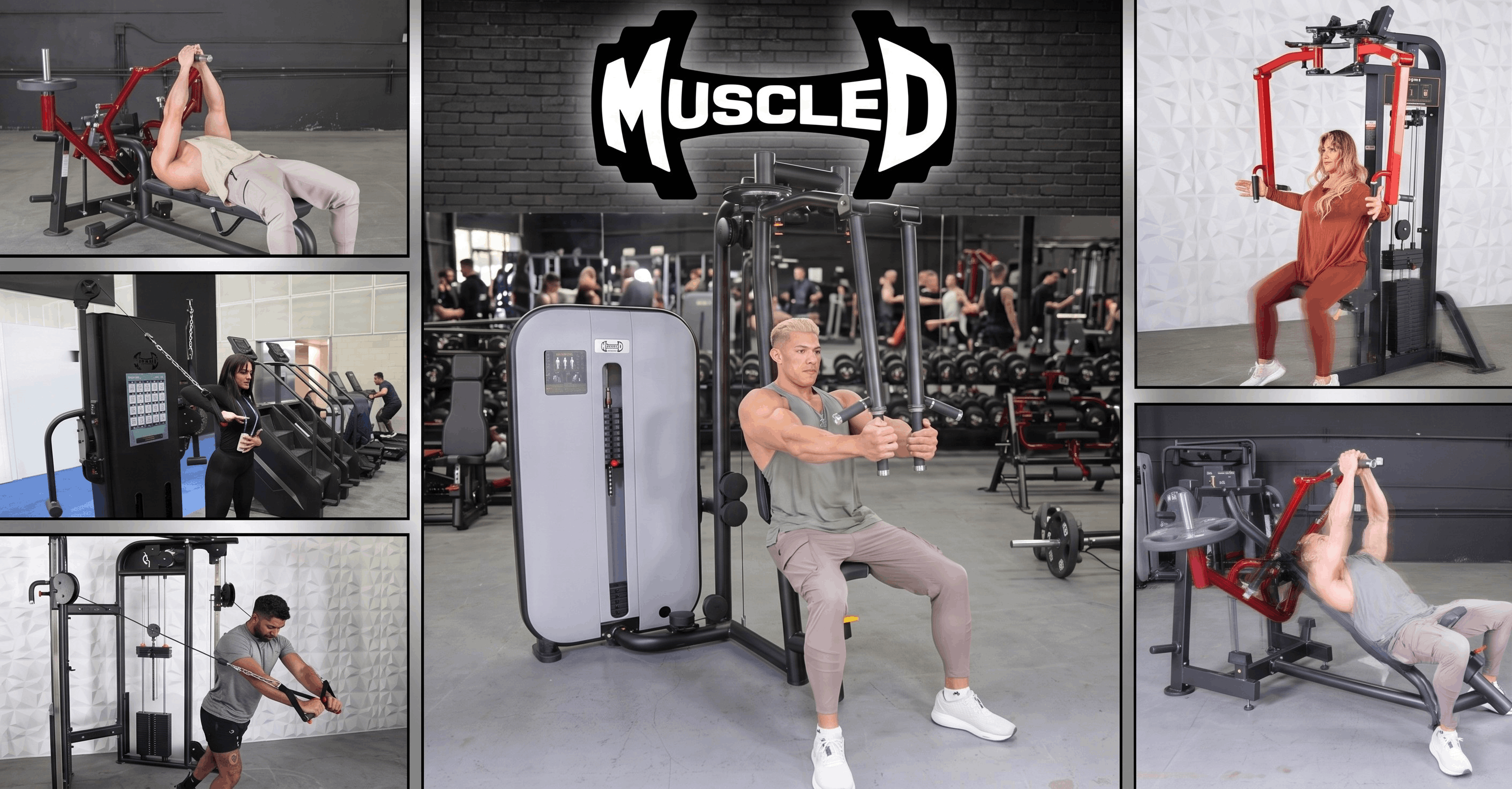
Chest Fly Machines Explained: Leverage, Pec Deck & Cable for Maximum Pec Growth
Not all chest fly machines are created equal. This guide breaks down the biomechanics of plate-loaded leverage machines, seated pec decks, and cable functional trainers, using EMG research and Musc...